
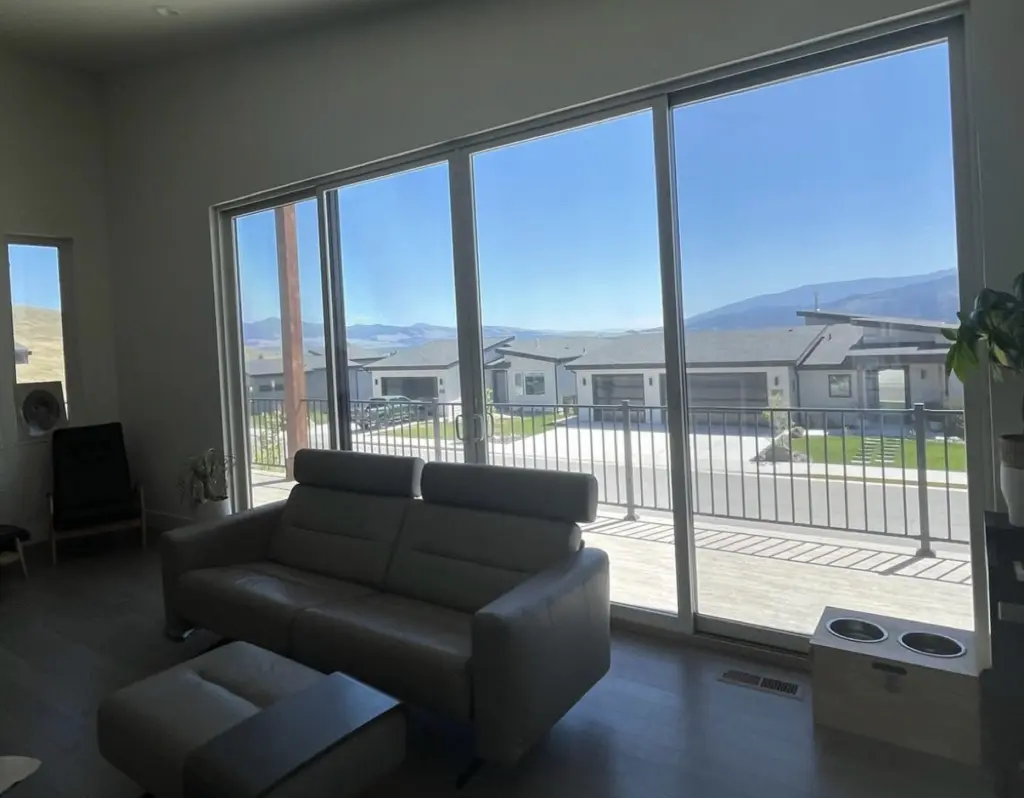
Sunlight feels inviting until you learn how much of it reaches you through glass. Ever notice your left arm warming up during a road trip? That warmth is ultraviolet radiation sneaking past unprotected windows. Modern tint films intercept those rays with a blend of chemistry and engineering, shielding skin, eyes, and interiors without plunging rooms or cabins into darkness.
UV Radiation 101
The sun emits three principal ultraviolet bands: UVC (blocked by the atmosphere), UVB (the sunburn culprit), and UVA (long-wave rays that dive deeper into skin and fabrics). Standard soda-lime glass already stops most UVB, yet it leaves the door open to roughly 75 percent of UVA, the wavelength tied to premature aging and certain skin cancers.
Why Ordinary Glass Falls Short
Automotive windshields use laminated glass and block more UVA than side windows, but the difference is still large enough that dermatologists see a “driver’s side” pattern of sun damage over time. Home and office panes tell the same story; ultraviolet photons stream through, gradually bleaching upholstery and weakening polymers in flooring. The net effect is a slow, silent depreciation of both human health and property.
How Window Tints Block UV
To stop what plain glass ignores, manufacturers embed absorbers and reflectors in a thin polyester matrix. Dyed films soak up select wavelengths; metallized films bounce them away. The most sophisticated option mixes nano-scale ceramic particles such as titanium dioxide and zinc oxide directly into the adhesive, capturing photons that try to slip between polymer chains.
In laboratory tests, high-grade laminates eliminate up to 99.9 percent of UVA and UVB. That capability explains the popularity of car window tinting even in cooler climates—the goal is light management, not just heat control.
Nano-Ceramic Films: Small Particles, Big Defense
Nano-ceramic layers scatter infrared energy as well, trimming cabin temperatures without the reflective shimmer of older metallic products. Autotrader’s 2025 survey put ceramic films at the top of the performance chart, noting near-total UV rejection while avoiding radio-signal interference.
Market analysts expect demand for these films to double by 2032 as prices fall and manufacturing scales up. The same particle — polymer network works for home window tinting, making living rooms visibly bright yet measurably safer for skin and furniture.
Measuring Real-World Protection
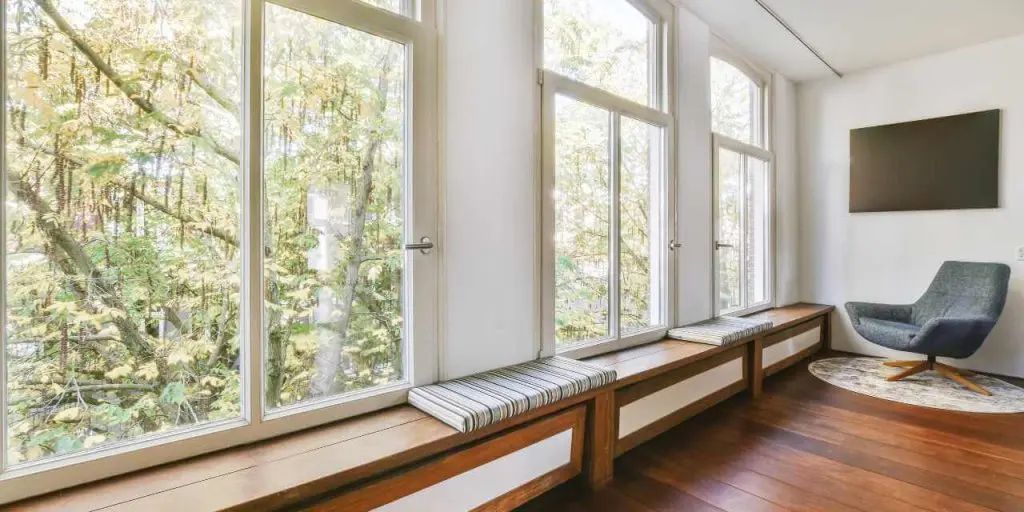
Two numbers matter most: ultraviolet rejection (UVR) and visible light transmission (VLT). A premium film can post a UVR of 99 percent while still allowing 70 percent of visible light to pass, a balance that earns the Skin Cancer Foundation’s Seal of Recommendation.
Independent laboratories confirm these figures with spectrophotometers that scan across the 280-400 nm band, verifying claims before the film reaches installers’ shelves.
More Than Sunburn Prevention
For building owners, tint does double duty. A low-emissivity solar film can shave peak cooling loads by reducing infrared gain, easing air-conditioner cycling and slowing fade in wood floors. Tried and True Tint’s own case studies show payback periods of two to five years when films are compared with full window replacement.
Businesses that opt for commercial window tinting often find that reduced glare improves occupant comfort, which in turn bumps productivity.
High-Elevation Realities in Montana
Missoula sits a mile closer to the sun than many coastal cities, and local UV indexes regularly climb into the “Very High” category each summer. That extra exposure helps explain why savvy homeowners search for window tinting Missoula MT long before the first heat wave hits. Regional installers report a spring rush as skiers trade goggles for shade and look for year-round skin protection indoors.
Counting the Dollars
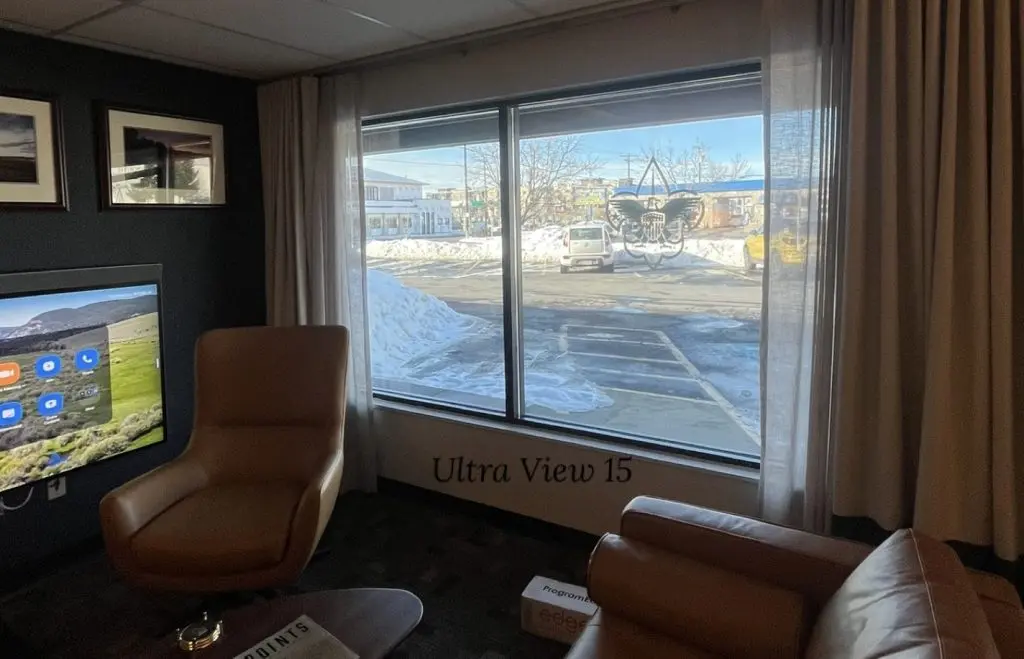
What about Window tinting Missoula MT cost? Recent cost trackers list residential solar films in the $5 – $8 per-square-foot range for basic installations, with specialty nano-ceramics trending toward the upper end. An average four-door sedan tinted with mid-grade ceramic can run $200 – $240 before tax, a modest premium when weighed against reduced upholstery fade and higher resale values.
Read more on the costs to tint your car windows in Missoula here.
Local Searches Can Help
Typing window tinting near me online will reveal dozens of providers, yet only a handful carry laboratory-verified films and long-form warranties. Look for clear UVR and VLT data sheets, proof of installer training, and coverage that guards against bubbling and color shift.
UV-blocking films might be thin, but the science inside them stacks layers of polymer chemistry, particle physics, and dermatology into every square inch. Whether you manage a busy storefront, commute daily on I-90, or simply want a cooler living room, today’s tint technology gives glass a second job: filtering out the parts of sunshine you’d rather avoid. Talk to the experts at Tried and True Tint to learn how a custom-matched film can keep your space bright while sending harmful rays packing.
Frequently Asked Questions:
1. Why is ordinary glass without tinting insufficient?
Side windows made from soda-lime glass block most UVB but let significant UVA pass through. Over time, unfiltered UVA can cause driver’s-side sun damage, fade upholstery, weaken polymers in flooring, silently degrade surfaces, and put skin health and property at risk.
2. How do window tints block UV?
Tint films use polyester layers embedded with UV absorbers or metallic particles. Dyed versions absorb specific wavelengths, while metallized films reflect them. Nano-ceramic films blend titanium dioxide or zinc oxide nanoparticles into the adhesive, capturing UV photons and scattering infrared thermal energy.
3. What are nano-ceramic films?
Nano-ceramic films blend ceramic particles like titanium dioxide and zinc oxide into a uniform polymer matrix. These nanoparticles capture UVA and UVB photons and scatter infrared radiation, reducing heat gain in vehicles without the reflective shimmer or radio interference of metallic tints.
4. How is UV protection with window tints measured?
Two key metrics—Ultraviolet Rejection and Visible Light Transmission assess tint performance. UVR indicates the percentage of UV blocked, while VLT shows how much visible light passes. Premium films can achieve up to 99 percent UVR with 70 percent VLT, balancing protection and brightness.
5. Besides UV protection, what other benefits do window tints offer?
Besides UV defense, window films significantly reduce infrared heat gain to lower cooling loads and ease air conditioner cycles. Low-emissivity options limit heat transfer and glare, extending the life of flooring and fabrics, while many businesses see improved occupant comfort and productivity.
6. Are window tints cost-effective compared to replacing windows?
High-performance window films often cost far less than replacing windows. Energy savings and reduced cooling expenses can yield payback periods of two to five years. Installation is remarkably faster and less disruptive than full window replacement, making tints a cost-effective alternative.
7. How long do tints last and what maintenance do they need?
High-quality window films typically carry warranties of 5–10 years and can last up to 15 years in vehicles or buildings. To maximize their lifespan:
- Cleaning: Use a soft cloth and mild, ammonia-free cleaner.
- Avoid scratching: Don’t scrub with abrasive pads or razor blades.
- Inspect regularly: Look for peeling edges or bubbling; address small lifts promptly to prevent UV leakage.
With gentle care, your tint will continue to block nearly 99 percent of UV and keep interiors protected for well over a decade.